
Prediabetes in America & the Importance of Early Intervention
In recent years, the prevalence of prediabetes has emerged as one of the most significant yet frequently overlooked public health challenges facing the United States. Prediabetes, a condition characterized by elevated blood glucose levels that do not yet meet the clinical criteria for diabetes, currently affects millions of Americans. Alarmingly, a vast number of these individuals remain unaware of their condition, which places them at a substantial risk for progression to type 2 diabetes and its associated complications if appropriate measures are not taken in a timely manner. The importance of early detection and proactive intervention cannot be overstated, as it has the potential to alter the course of this epidemic.
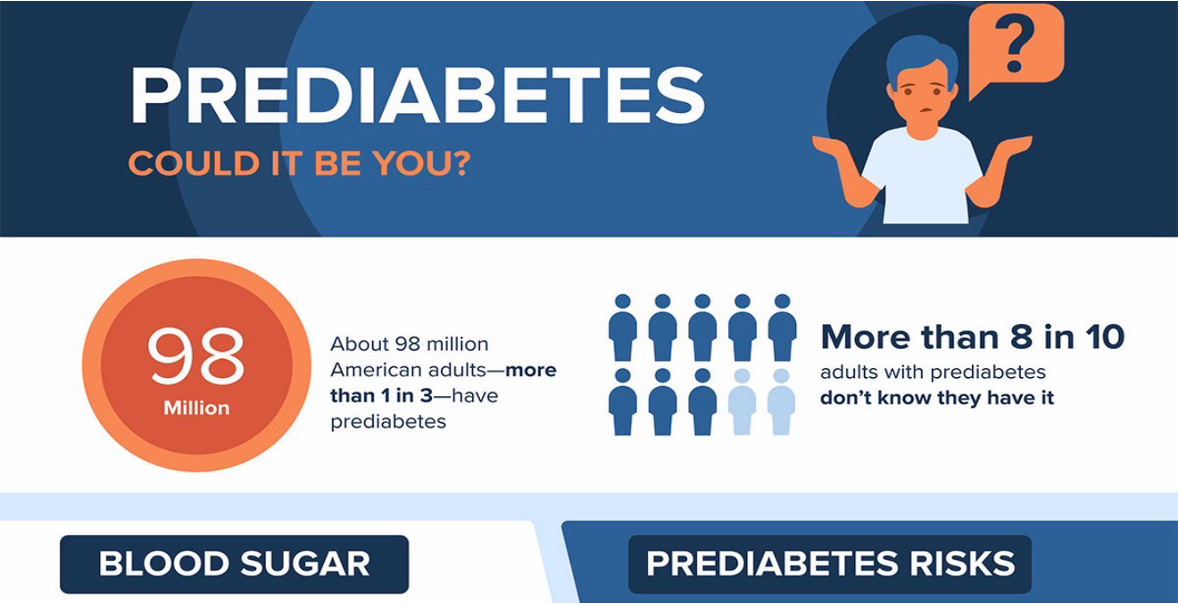
Incidence of Prediabetes in the United States
The statistics surrounding prediabetes in the United States are striking. It is estimated that nearly 98 million adults, or approximately one in three, have prediabetes, and this number continues to rise. The alarming reality is that many individuals are unaware that they are living with this condition because it often presents without any obvious symptoms. This silent progression is not merely a statistic; it represents a critical missed opportunity for prevention and early intervention. Understanding the scale of this issue is vital for public health initiatives and individual health strategies aimed at combating the growing epidemic of diabetes.
Pathophysiology and Risk Factors
Prediabetes is primarily driven by a phenomenon known as insulin resistance, a metabolic state in which the body’s cells do not respond effectively to insulin, the hormone responsible for regulating blood glucose levels. This dysfunction can result from a variety of intertwined factors, including sedentary lifestyles, excessive caloric intake, chronic stress, disrupted sleep patterns, the natural aging process, and genetic predisposition. Each of these factors contributes to the complex landscape of prediabetes, highlighting the need for a multifaceted approach to prevention and treatment.
Why Early Intervention Is Essential
The prediabetes stage is a crucial window of opportunity where metabolic dysfunction is often reversible. Early intervention strategies can significantly alter an individual's health trajectory. Through lifestyle modifications such as improved diet, increased physical activity, and stress management, it is possible to preserve pancreatic beta-cell function, reduce cardiometabolic risk, and restore healthier glucose dynamics. Targeted nutritional strategies can further enhance these lifestyle interventions, making early identification and proactive management essential in preventing the onset of type 2 diabetes.
Consequences of Delayed Action
The consequences of failing to act on prediabetes are serious and multifaceted. Without timely intervention, many individuals with prediabetes will inevitably progress to type 2 diabetes. This progression is associated with a host of serious health complications, including an increased risk of cardiovascular disease, neuropathy, renal complications, and an overall heightened long-term healthcare burden. The ripple effects of untreated prediabetes extend beyond individual health, impacting families, communities, and the healthcare system at large.
A Proactive Metabolic Support Strategy: IntelliSync
In response to this pressing health issue, innovative solutions such as IntelliSync have been developed to provide support for healthy glucose metabolism and insulin signaling during the critical prediabetic window. IntelliSync is designed not only to complement lifestyle interventions but also to enhance post-meal glucose balance and cellular metabolic efficiency. By integrating this science-driven nutritional support into a comprehensive health strategy, individuals can take proactive steps toward managing their metabolic health.
Conclusion
Prediabetes does not have to be an inevitable progression toward diabetes. Through early detection and proactive intervention, the trajectory of this condition can often be altered for the better. A comprehensive strategy that incorporates lifestyle optimization, targeted nutritional support, and educational resources represents a forward-thinking approach to achieving long-term metabolic health. As we continue to confront the rising tide of prediabetes in America, it is imperative that both individuals and healthcare professionals prioritize early intervention to safeguard against the potential consequences of this pervasive condition.